Land Forms & Major Biomes
Climate shapes plants. Plants shape animals. Landforms shape water. Water shapes where people can safely live.
The children were not just memorizing biome names. They were building a reasoning system: temperature, water, landforms, and gravity all affect what lives where — including people.
Photos


What We Did
1. Sorted biomes by climate
The children sorted major biomes using two concrete questions: is it hot or cold, and is it wet or dry?
2. Connected animals, food, and homes
They matched animals, foods, and traditional homes to the biome where each made sense, seeing that shelter and survival respond to climate.
3. Used the biome mat and globe
The Montessori biome mat helped them locate biome bands around the world. The globe made the equator and polar regions physically meaningful.
4. Built a watershed model
Each child made a clay house, chose a site in the landscape, then watched rain, gravity, runoff, rivers, lakes, erosion, and flooding test that choice.
Core Concepts
Biome = climate + life
A biome is a large region shaped by climate, plants, and animals. It is not only a scenery label.
Climate controls what can thrive
Temperature and water patterns determine which plants can grow; plants then shape which animals can live there.
Maps are models
The children moved between a flat biome mat and a globe, learning that maps simplify the real spherical Earth.
Watersheds reveal gravity
Water flows downhill. That simple fact creates rivers, lakes, runoff, erosion, flooding, and safer or riskier places to build.
Words to Keep Using
Try This Week
Biome Posters, Downloads & Videos
The seven biome explainer posters are shown below as real poster files. Parents can open each one individually, or download the full poster pack and supporting activity cards.

Tropical Rainforest
Open or save this biome explainer poster.
Open poster →
Desert
Open or save this biome explainer poster.
Open poster →
Grassland / Savanna
Open or save this biome explainer poster.
Open poster →
Chaparral
Open or save this biome explainer poster.
Open poster →
Deciduous Forest
Open or save this biome explainer poster.
Open poster →
Taiga / Boreal Forest
Open or save this biome explainer poster.
Open poster →
Tundra
Open or save this biome explainer poster.
Open poster →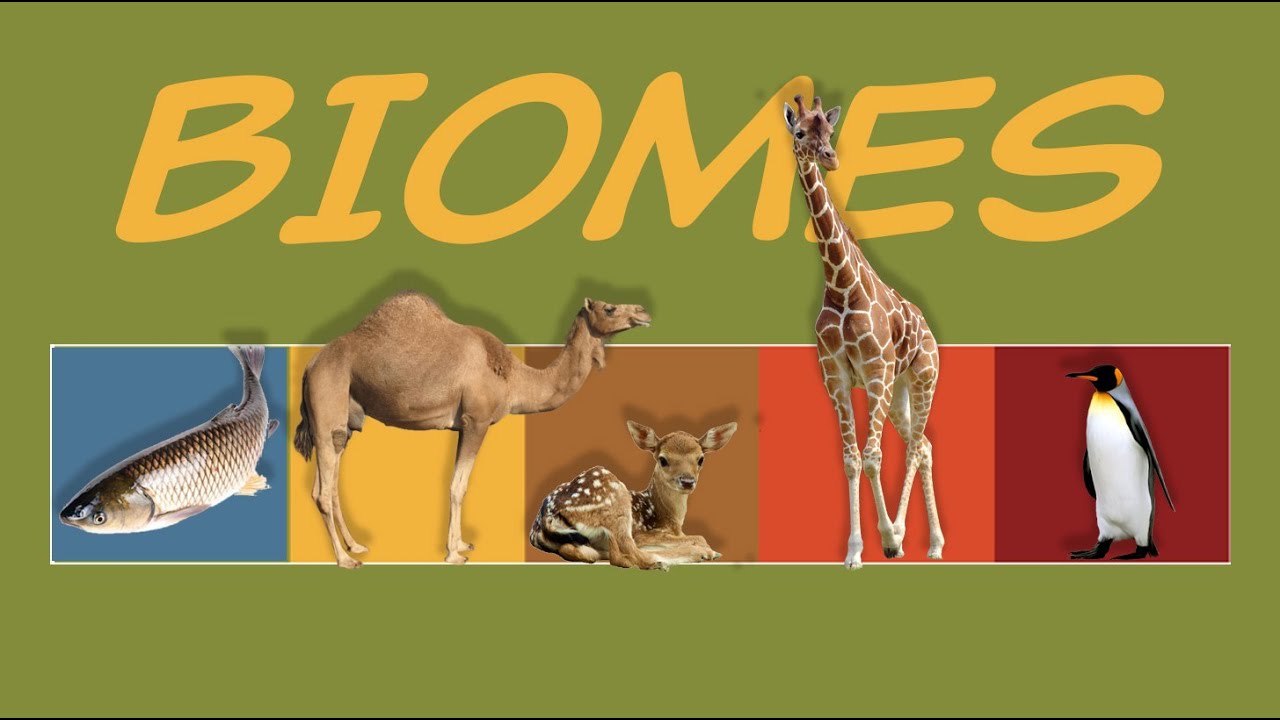
At-home video: Nature’s Neighborhoods
A parent-friendly follow-up video for kids to watch at home after the lesson. It reinforces the idea that biomes are “nature’s neighborhoods” shaped by climate, plants, animals, and place.
Open at-home video →Posters
Download Biome Poster Pack
All seven biome explainer posters as printable image files.
Download poster zip →Activity Pack
Download Full Activity Pack
Biome posters plus the supporting shelter/home posters and animal biome card sets used for the sorting activity.
Download activity zip →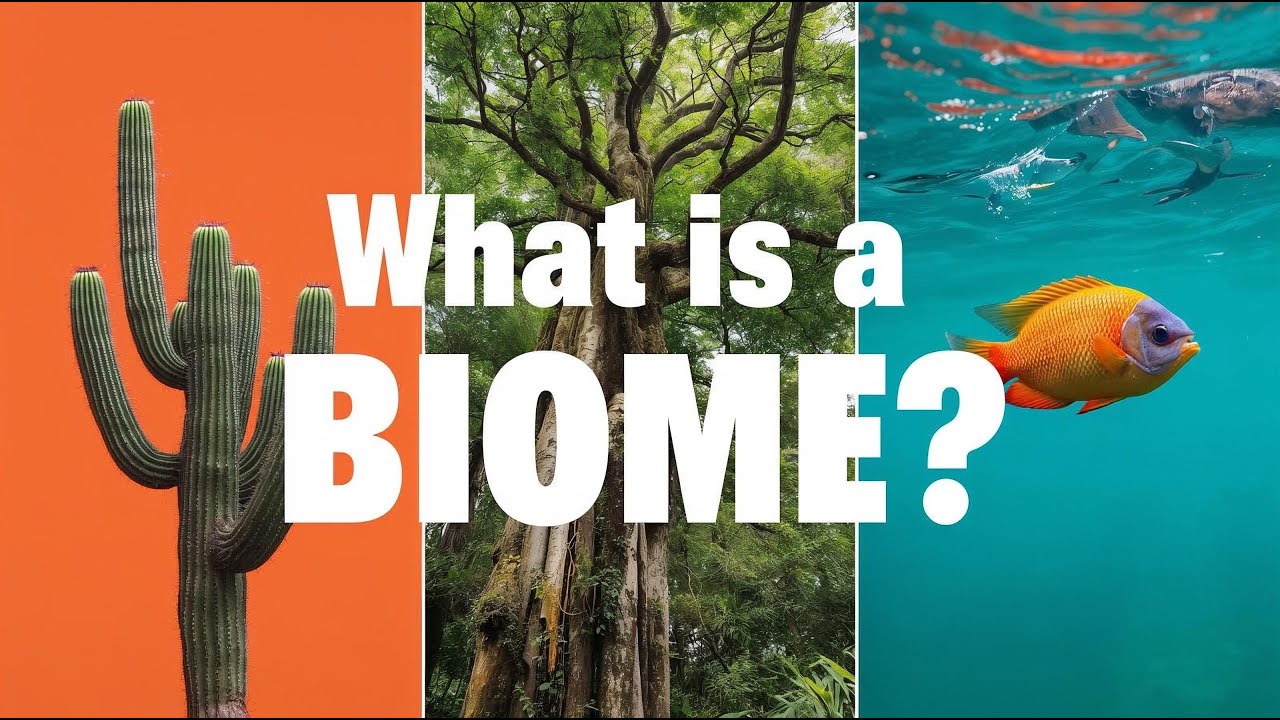
Watched in class: What is a Biome?
A kid-facing overview of major world biomes and how climate shapes ecosystems.
Open video →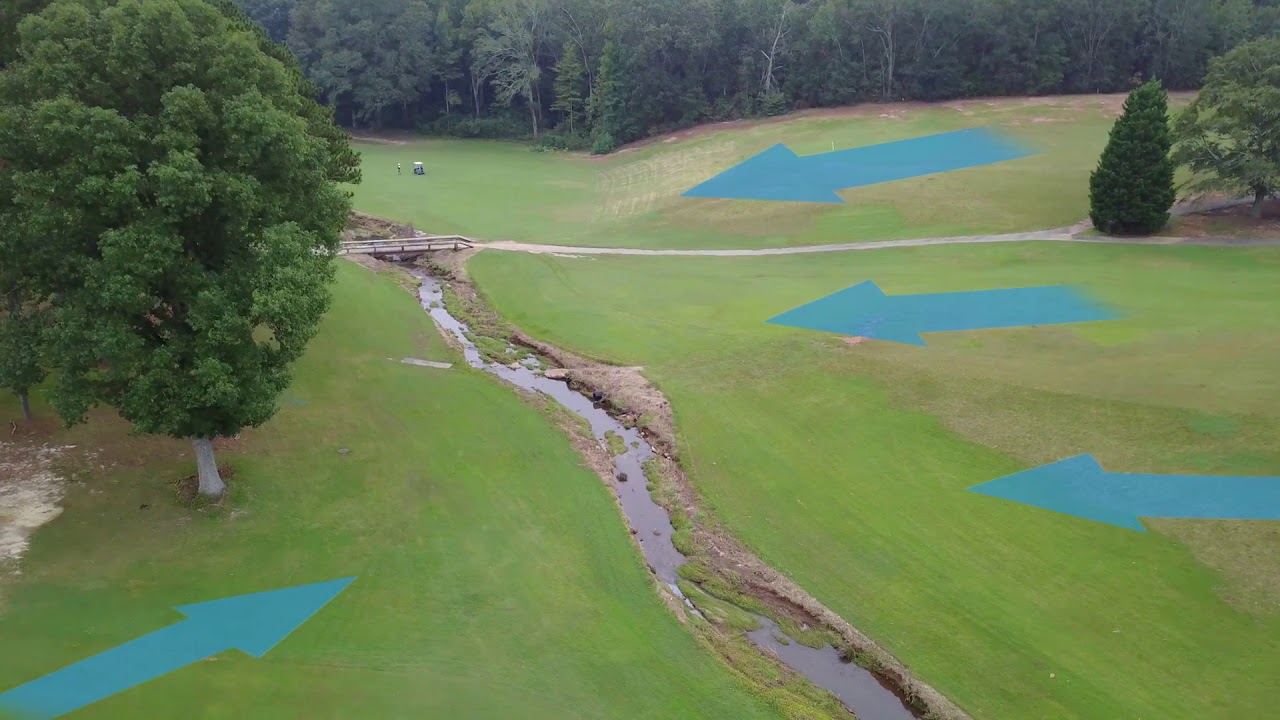
Watched in class: What is a Watershed?
A short reinforcement video connecting landforms, water flow, drainage, and watersheds.
Open video →